Financial Times
February 12, 2013
Courtesy of: Bloomberg
Winston Churchill governed while ill, for a while. So too did Woodrow Wilson. But Hugo Chávez, Venezuela’s socialist president, has taken sickbed policy making to a whole new level – and country.
Last Friday, as most Venezuelans headed off to carnival, the cancer-ridden Mr Chávez ordered a devaluation in absentia from his hospital bed in Havana. The last person to govern Venezuela from abroad was Cipriano Castro, in the early 20th century, and that did not end well. When the “Monkey of the Andes” travelled to Germany for kidney treatment, his government was overthrown.
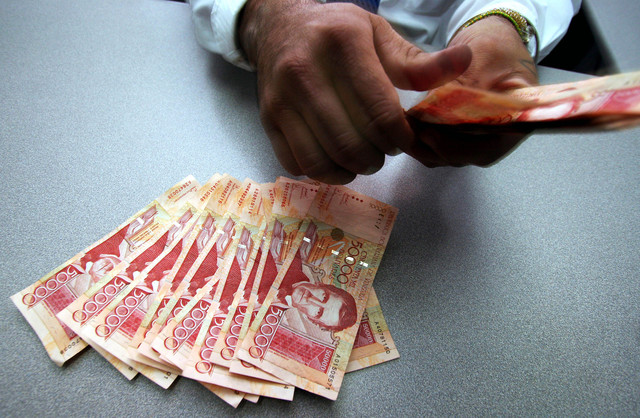
Mr Chávez’s devaluation will have political costs. But a similar immediate fate is unlikely for his government. Yes, the move was overdue; that was apparent in growing shortages. But the devaluation will not, by itself, correct the accumulated distortions of years of mismanagement. Nor is the 32 per cent devaluation steep enough; the black market rate remains more than three times the official one. In time-honoured tradition though, what it does do is solve a looming problem. Because Venezuela’s dollar-denominated oil revenues are now worth more in local currency, the devaluation helps plug a yawning budget deficit.
This hole in Venezuela’s government accounts opened up after the chavista machine increased spending by an extraordinary 25 per cent in the run-up to last October’s election. Now the bill has come due – although it is ordinary Venezuelans who will largely meet the cost, through high inflation. The government, by contrast, gains more money to spend. That will be handy for when Mr Chávez’s successor fights the next election.
Such politically driven spending splurges are not unique to Venezuela. Argentina also drove a 25 per cent real increase in government spending before Cristina Fernández’s re-election in 2011. Argentina now suffers a widening fiscal deficit, high inflation, and a “parallel” exchange rate 50 per cent cheaper than the official one. That is no accident. At some point, too, it will have to be addressed.
Such problems are well heeded in the region. A decade ago, Latin America was supposedly threatened by a rising “pink tide”. Instead, pragmatism has largely become the norm. True, several other countries, such as Brazil and Chile, have currency problems too. But their exchange rates are appreciating thanks to abundant capital inflows, not devaluing because of capital outflows. In short, they are suffering the problems of success, while the pink tide washes out.
To read this article at the Financial Times, please click here.

